Protect the Waterlands

Chris Isidore
| 24-03-2026
 · Travel Team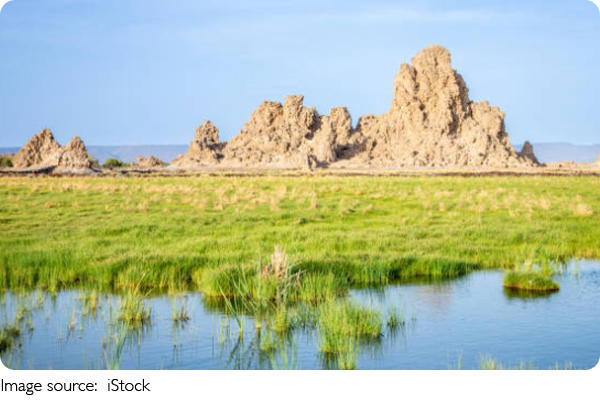
Wetlands are some of the most remarkable ecosystems on Earth, quietly supporting life far beyond their visible boundaries. They filter water, shelter wildlife, and shield surrounding areas from storms. For Lykkers, wetlands protection and restoration offer a meaningful way to contribute to environmental health.
Although wetlands currently cover a relatively small part of Earth’s surface, they are among the most productive ecosystems in the world and support an immense variety of wildlife. More than one‑third of the United States’ threatened and endangered species use wetlands at some point in their lives.
Globally, up to 87% of wetlands have been lost since the year 1700 due to drainage, land conversion, and development.
Conquer a Sierra giant with epic alpine views!
Where Oceans Meet at Morocco’s Scenic Promontory
Discover Iceland’s Stunning Gullfoss Waterfall: Your Ultimate Guide to Tickets, Tips, Dining & Unforgettable Views!
How to visit this iconic historic railway landmark in Ella with transport and tips
Experience Turquoise Waters, Overwater Villas, and Tropical Bliss
Explore Stunning Beaches, Temples, and Cultural Wonders
This guide helps you understand why these habitats matter and how you can actively support their recovery, even if you live far from one.
Why Wetlands Deserve Your Care
According to the U.S. Environmental Protection Agency, wetlands provide essential functions such as improving water quality, storing floodwaters, and supporting a rich array of plant and animal life — services no other ecosystem can match. Wetlands might look simple on the surface, but they perform an impressive range of ecological services. Although they cover a small portion of the Earth, they rank among the most productive ecosystems on the planet, supporting more than one‑third of endangered species and filtering vast amounts of water for communities downstream. Since 1700, up to 87% of wetlands have been lost globally due to development and land conversion, highlighting their urgent need for protection.
Wetlands Act as Natural Water Filters
When water passes through wetlands, plants and soil trap sediment and absorb pollutants, creating a natural purification system. This process improves water quality for nearby rivers, lakes, and communities.
Once you understand how quietly and effectively wetlands clean their surroundings, you start appreciating how much they protect daily life—even when you don't notice their work.
They Provide Safe Havens for Wildlife
Amphibians, birds, insects, and countless plant species rely on wetlands for survival. Many of these species breed, feed, or migrate through these areas, making wetlands key hubs for biodiversity.
By learning how many creatures depend on these habitats, you become more aware of how fragile the balance can be. When wetlands shrink, entire species lose the spaces they depend on.
Wetlands Reduce Flooding and Storm Damage
Acting like enormous sponges, wetlands absorb excess water during heavy rains or coastal surges. This ability protects nearby towns, farms, and natural areas from damage.
Realizing that wetlands serve as nature's early responders adds urgency to restoration efforts. By supporting them, you support the resilience of surrounding landscapes and communities.
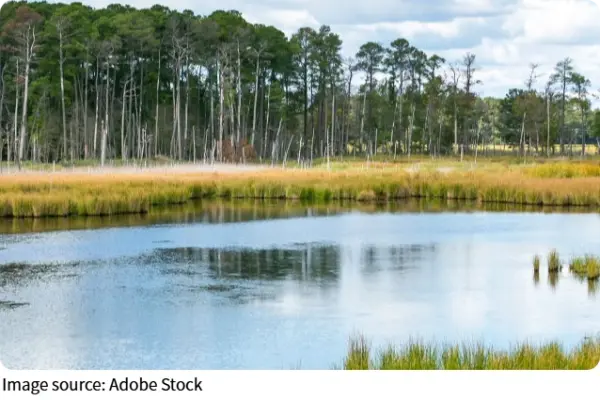
Wetlands worldwide face severe pressures. Experts estimate that wetlands have declined faster than almost any other ecosystem type, and their loss threatens biodiversity, water security, and climate resilience across continents.
How You Can Help Restore Wetlands
Even if you aren't near a marsh, mangrove, or bog, you can still play a meaningful role in wetland protection. This section shows you accessible ways to participate.
Support Wetland Conservation Groups
Many organizations focus on restoring degraded wetlands, monitoring wildlife, and promoting sustainable land use. You can help by donating, joining cleanups, or amplifying their message online.
Your involvement, even from afar, strengthens projects that rebuild natural water systems and protect species that rely on wetland habitats.
Choose Products That Protect Water Systems
Everyday choices can lessen pollutants that reach waterways. Selecting eco-friendly cleaning supplies, reducing chemical use in gardens, and managing waste responsibly helps prevent harmful runoff from entering wetland areas.
These small habits support cleaner ecosystems and lighten the pressure on wetlands' natural filtration abilities.
Join Local Restoration or Planting Initiatives
Many communities host planting events near streams, lakesides, or seasonal marshes. These activities often involve planting native species, removing invasive plants, or stabilizing soil with vegetation.
Taking part connects you to the landscape and gives you a firsthand sense of how restoring even a small area contributes to the health of a larger ecosystem.
Wetlands are among the planet's most powerful yet understated ecological defenders. They clean water, safeguard wildlife, and protect surrounding areas from storms and flooding. By learning how they function and choosing to support their protection—through conservation groups, mindful product choices, or hands-on restoration—you become part of a global effort to maintain these vital ecosystems. With every step you take, you help preserve nature's waterlands for future generations of Lykkers to enjoy.