The Art of Motorcycle Design

Finnegan Flynn
| 14-05-2026
 · Auto Team
When you're scrolling past countless posts and videos, it’s the images that convey real motion that make you pause.
Motorcycles are more than machines with engines and wheels—they are motion, engineering mastery, and the spark of freedom you feel when the road opens up.
Visual impact and thoughtful design sit at the heart of a motorcycle’s appeal. A well-designed motorcycle doesn’t just look good—it communicates power, balance, and emotion through both its engineering and aesthetics.
Design and Emotion in Motorcycle Engineering
Great motorcycle visuals don’t start with technical charts or long lists of specifications. They start with a feeling. Maybe it's the rush of air while gliding along a coast road, or the quiet satisfaction of arriving at a destination after a long ride. Emotion makes the experience unforgettable.
Wiper blades fail quietly — until it's pouring rain and you suddenly can't see a thing.
Most drivers never look under the hood — until something goes seriously wrong. Here's what to know.
A musty AC smell isn't just annoying — it means something inside needs attention now.
How car makers meet the toughest EU and US emission standards
Learn how to calculate your car lease buyout and decide if it's the right move for you.
Spend Less Than 2 Minutes to Ensure Your Brakes Are Safe — Avoiding These Checks Is One of the Riskiest Mistakes a Rider Can Make
Design enhances this experience through form, light, and composition. Warm lighting can suggest comfort and calm, while sharp shadows highlight strength and independence. Instead of describing power in numbers, a rider leaning into a sweeping curve conveys stability, control, and precision.
Actionable tip:
Ask yourself: “What moment best captures the essence of this motorcycle?” Design around that moment. Reduce clutter, emphasize focus, and evoke emotion.
Engineering Meets Storytelling
Motorcycles that capture attention tell a story—even in a single image. Perhaps it’s breaking free from routine, exploring new roads, or mastering curves with precision. Storytelling can be conveyed through lines, shapes, and perspective.
Symbolism works effectively in design: a winding road can reflect the challenge of curves, a horizon line can suggest freedom. Keep the message simple so it’s instantly understandable.
Actionable tip:
Write a one-sentence story like: “A rider leans into a curve, feeling the engine respond perfectly.” Then design the visual around this idea.
Key Elements That Highlight Engineering
Bold contrast: Make the motorcycle stand out from its environment to emphasize lines and mechanical details.
Clean composition: Ensure the viewer’s eye lands on the bike and its engineering features.
Focused detail: Highlight features like suspension, frame, or wheel dynamics without clutter.
Color and lighting also enhance engineering. Cool tones convey precision and calm handling, while warm tones suggest energy and motion. Typography, if included, should complement the motorcycle without drawing attention away from it.
Blending Engineering and Rider Experience
Motorcycles are extensions of the rider’s skill. Scenes showing commuting, touring, or spirited rides highlight the real-world function and engineering of the machine. Diverse environments—from coastal roads to urban streets—showcase versatility.
Authenticity is key: over-staged scenes or excessive effects feel artificial. Slightly imperfect, real-world imagery is more believable.
Actionable tip:
Use scenarios like cornering exercises, commuting, or travel rather than purely studio setups. Let the viewer imagine themselves in the moment.
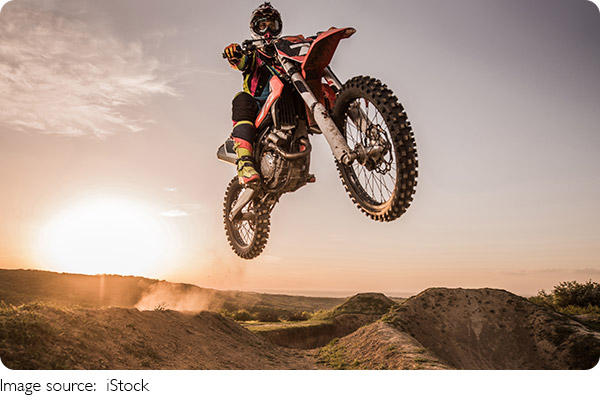
A powerful motorcycle design doesn’t just show a bike—it evokes emotion, demonstrates engineering mastery, and leaves a lasting impression. When motion, mechanics, and visual design work together, the viewer doesn’t just notice the machine—they feel what it’s like to ride it.